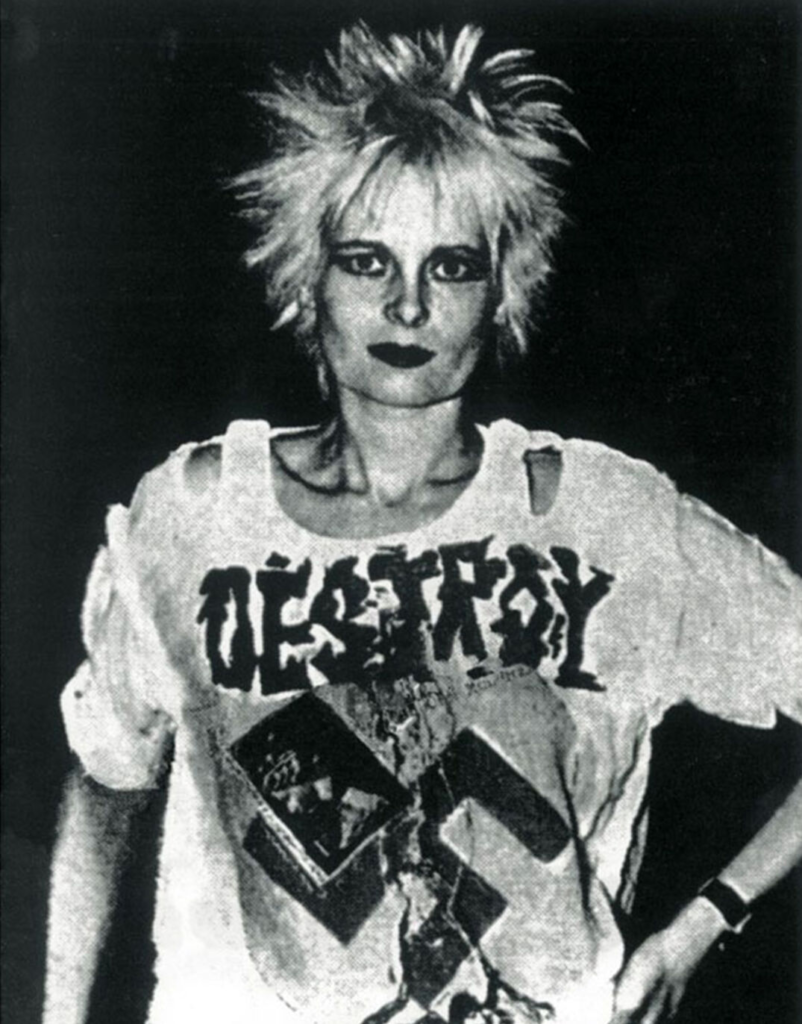
The major themes of punk are expression, community, and defiance. Firstly, punk embraced self-expression and freedom. This theme is displayed through punk fashion: Do-It-Yourself (DIY) clothes with proactive designs, ripped T-shirts and safety pins. Some other notable fashion statements included minimalism and horror aesthetic (The Punk Rock Museum). This symbolized punk’s commitment to non-conformity, individuality, and rebellion against consumerism and mainstream culture. Additionally, punk established a community within those who practiced bold self-expression and did not fit in with popular ideas. Some of the major art movements impacted by punk are Zine culture, which emphasized inclusivity and individualism, and Graphic Design, which included Ransom-note typography to highlight a DIY ethos (The Punk Rock Museum). Lastly, defiance is another major theme in punk, expressed in fashion and music. Punk fashion challenged the status quo of acceptable clothing. Artists rebelled against authoritarianism (“The Establishment”), glamor of rock and roll, racism, sexism, corporatism, and colonialism (Grecco, “Bold”). In the United Kingdom, punk was used as a voice to express the disillusionment in society with the UK’s increase in poverty and class divide (Worley). Punk artists also used independent record labels to challenge the corporatism of music.
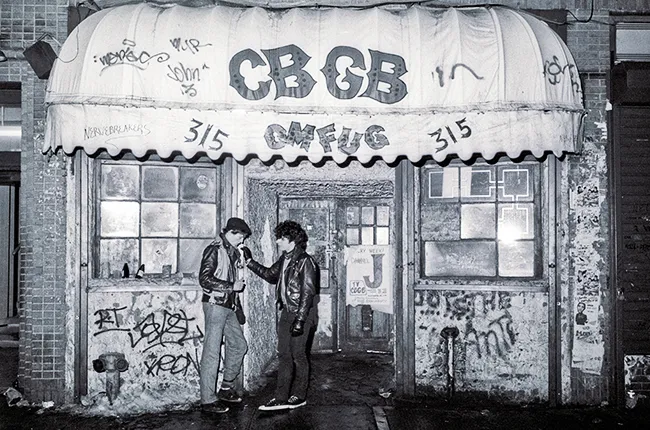
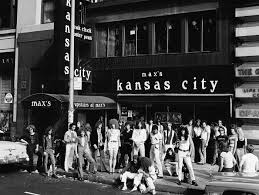
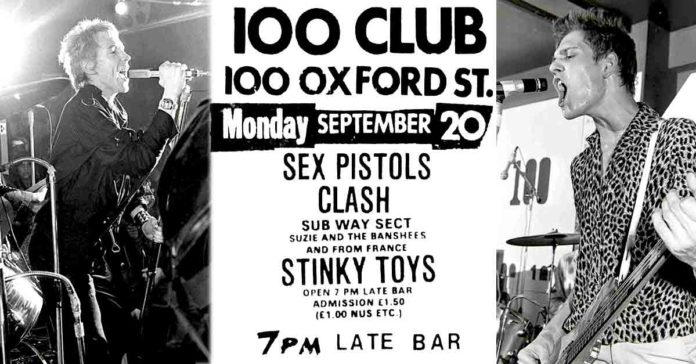
The key music venues of punk were located in New York City, London, and Los Angeles. The most popular music venue was CBGB’s in Manhattan’s East Village which advocated for bands that played original music. Some other significant music venues in NYC included Max’s Kansas City, The Mudd Club, Mercer Arts Center, A7, St. Mark’s Place, and Chelsea Hotel (McLeod). In London, the 100 Club was the epicenter of British punk, and although less popular, Los Angeles’s The Masque provided a sanctuary for bands in the West Coast that did not fit in with mainstream rock (Grecco, “Punk Venues”).